Frequently Asked Questions
Everything you need to know about hypoallergenic cats
Understanding Cat Allergies
No cat is 100% allergen-free. However, certain breeds produce significantly lower amounts of Fel d 1, the primary cat allergen. Breeds like Siberian, Russian Blue, and Sphynx are widely considered hypoallergenic because they either produce less Fel d 1 or shed less dander into the environment.
Fel d 1 is the primary protein that causes allergic reactions in people who are allergic to cats. It is found in cat saliva, skin glands, and urine. When cats groom themselves, Fel d 1 spreads through their fur and skin, then becomes airborne as dander when it dries.
Not necessarily. Fur length does not directly determine allergen levels — it is the amount of Fel d 1 produced and how much dander is shed that matters. The Siberian cat is a perfect example: a long-haired breed that is considered hypoallergenic because it produces lower-than-average Fel d 1.
Hairless cats like the Sphynx do not spread allergens through shedding since they have no fur. However, they still produce Fel d 1 in their saliva and skin oils. Without fur to absorb these oils, they may need more frequent bathing. Some allergy sufferers find them more tolerable, but individual reactions vary.
Finding the Right Breed
The Russian Blue is often the best choice for first-time owners with allergies. They are calm, low-maintenance, produce less Fel d 1, and have short coats that are easy to groom. The Siberian is another excellent option — despite their fluffy appearance, they produce surprisingly low allergen levels.
Female cats generally produce less Fel d 1 than males. Neutered males produce less than intact males, and kittens produce less than adult cats. If you have severe allergies, spending time with different cats before adopting can help you identify which individuals trigger fewer symptoms.
Managing Allergies
Yes. Research suggests that certain diets — particularly those with added probiotics, omega-3 fatty acids, and novel protein sources — may help reduce the allergens cats produce. Some commercial "hypoallergenic" cat foods claim to neutralize Fel d 1 in saliva before it is deposited on fur.
Several strategies can help reduce cat allergens at home: regularly brush and bathe your cat, use HEPA air purifiers in every room, vacuum frequently with a HEPA-filter vacuum, wash bedding weekly in hot water, limit your cat's access to bedrooms, and consider using allergen-reducing sprays or wipes on your cat and furniture.
Bathing frequency depends on the breed and your allergies. For Sphynx cats, weekly baths are often recommended. For other breeds with fur, bathing every 2-4 weeks can help reduce allergens. Over-bathing can dry out skin and cause irritation, so find a balance that works for you and your cat.
Some people report that their allergies improve over time with regular exposure, but this is not guaranteed and should not be relied upon. Immunotherapy (allergy shots) is a medically supervised approach that can help build tolerance over time. Always consult an allergist before attempting to build immunity.
Explore Hypoallergenic Breeds
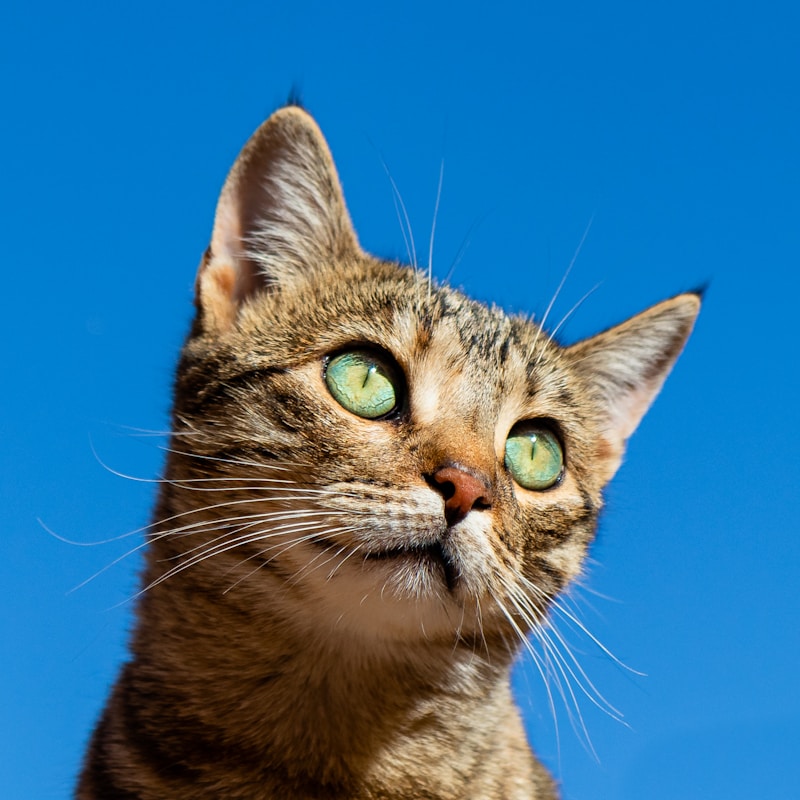
Siberian Cat
Russia's beloved long-haired beauty with surprisingly low allergen levels. Gentle, playful, and great for families.
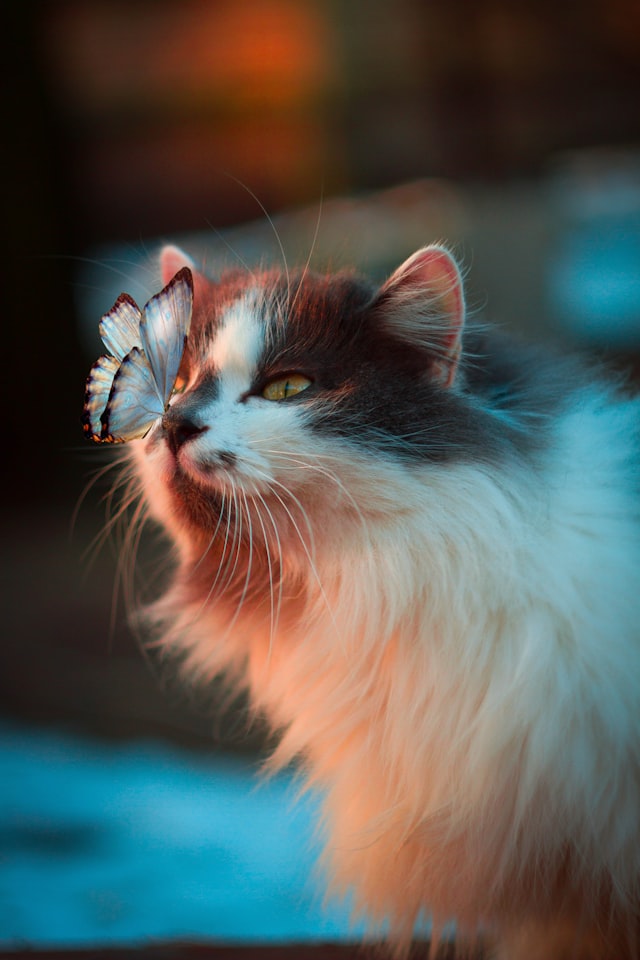
Sphynx Cat
The iconic hairless breed. No fur means minimal shedding. Wraps you in warmth, literally and emotionally.
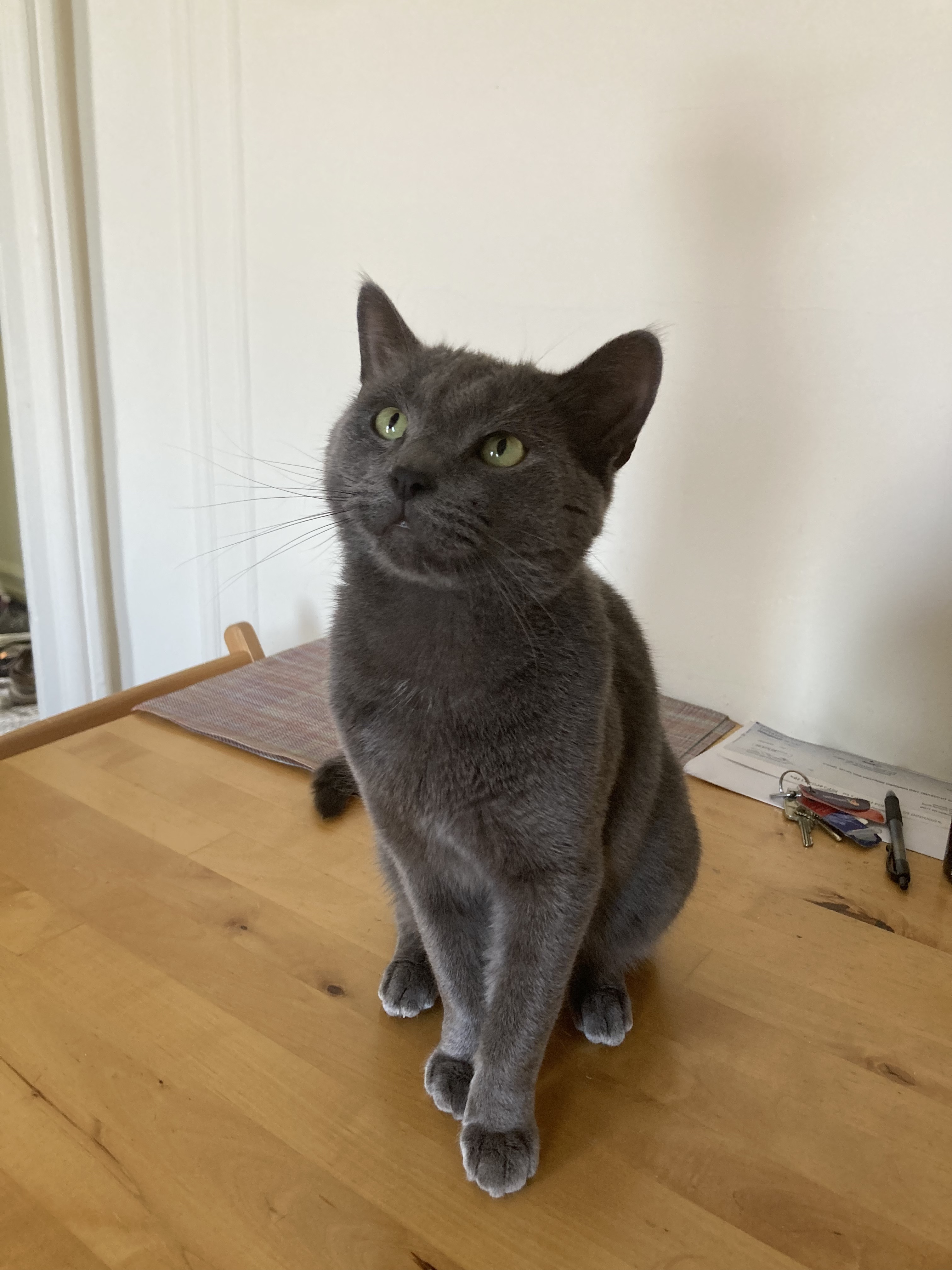
Russian Blue
Elegant silver-blue coat, shy nature, and one of the lowest allergen producers among short-haired cats.