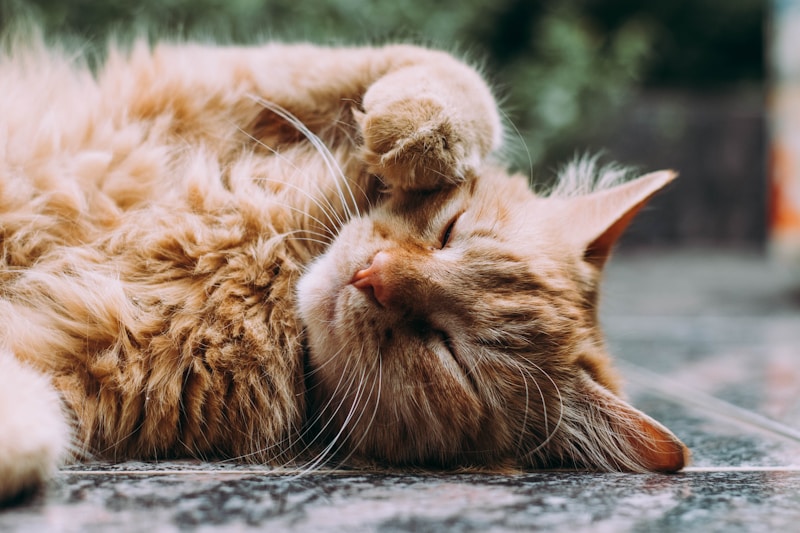
The Tonkinese Cat — social and loving
Tonkinese Cats are not classified as hypoallergenic, but their low shedding coat may produce fewer allergens in your home than some other breeds. Allergy sufferers should spend time with the breed before adopting.
Quick Facts
Overview
The Tonkinese is a breed that combines the best traits of Siamese and Burmese cats, producing a cat with the elegant looks of the Siamese and the solid, muscular build of the Burmese. They are known for their striking aqua-colored eyes and warm, mink-like coat patterns. While not classified as hypoallergenic, some allergy sufferers report tolerating them better than other breeds.
Shedding Level
Tonkinese cats have short, silky coats that shed minimally. Their low-shedding fur does not produce much loose hair around the home, and weekly brushing is usually sufficient to keep their coat glossy and healthy. They are relatively easy to maintain in terms of grooming.
Allergen Production
Tonkinese cats are not considered hypoallergenic and produce standard levels of Fel d 1. However, some owners with mild cat allergies report fewer symptoms with Tonkinese cats. This anecdotal evidence suggests they may produce fewer allergens than average, but scientific studies are limited.
Temperament & Personality
Tonkinese cats are known for their outgoing personalities. They are very social and people-oriented. They have moderate vocalization (less than Siamese). They are playful and enjoy interactive games. They are affectionate and love to cuddle. They are good with children and other pets. They form strong bonds with their owners.
Pros & Cons
Pros
- Beautiful appearance with striking eyes
- Low-shedding, easy-to-maintain coat
- Social, affectionate personality
- Good with families and other pets
- Moderate vocalization, less demanding than Siamese
Cons
- Not hypoallergenic
- Can be prone to obesity if overfed
- May develop periodontal issues
- Can be demanding of attention
- May not suit very quiet environments
Who Are They Best For?
Tonkinese cats are best suited for families with children, homes with other pets, active households that enjoy social cats, people who want an affectionate companion, and those who appreciate moderate vocal cats.
Care Tips
Brush weekly to maintain coat
Monitor food intake to prevent obesity
Provide regular dental care
Engage in daily interactive play
Give lots of social interaction
More Short-Haired Breeds
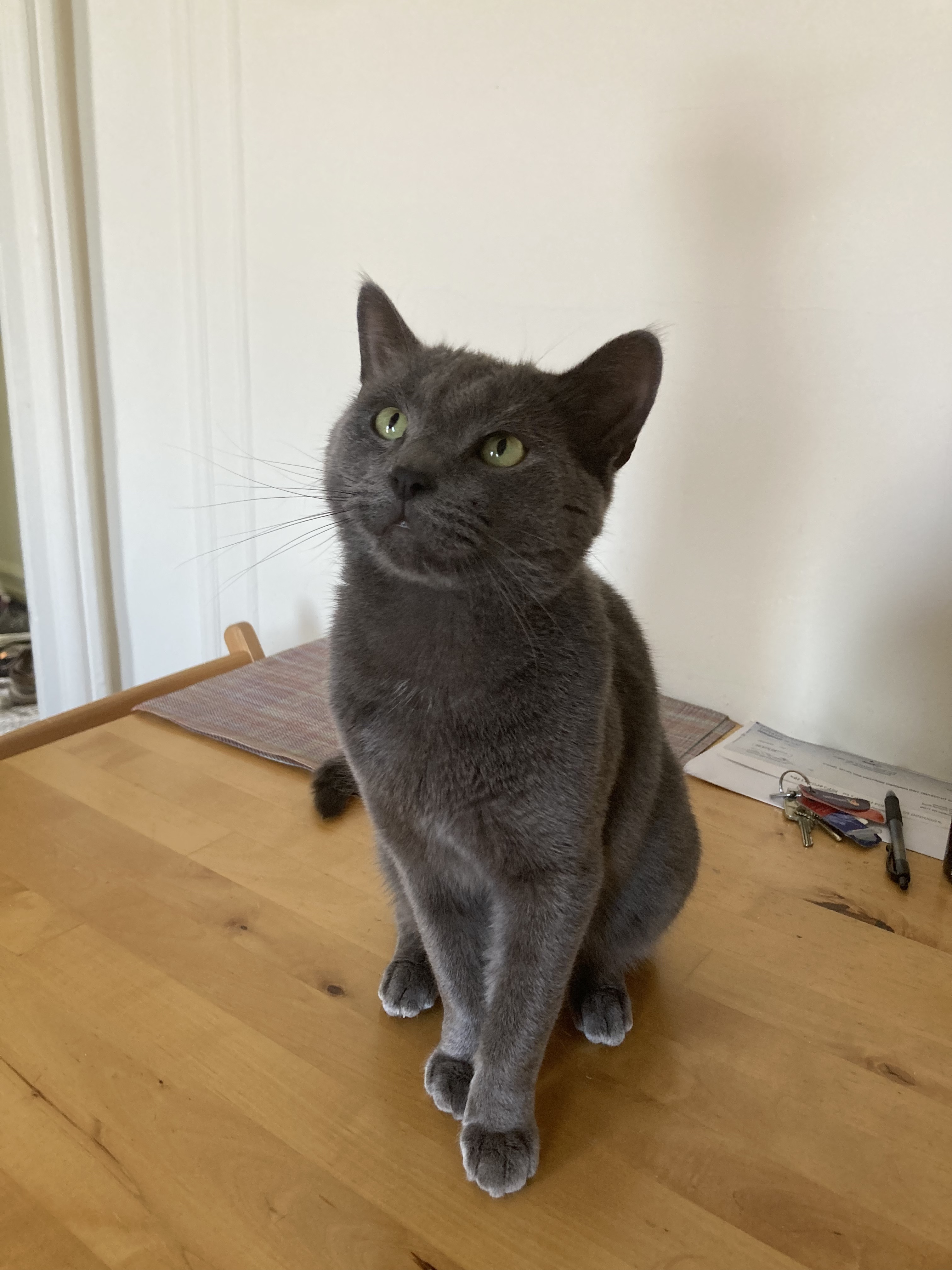
Russian Blue
Elegant silver-blue coat, shy nature, and one of the lowest allergen producers among short-haired cats.
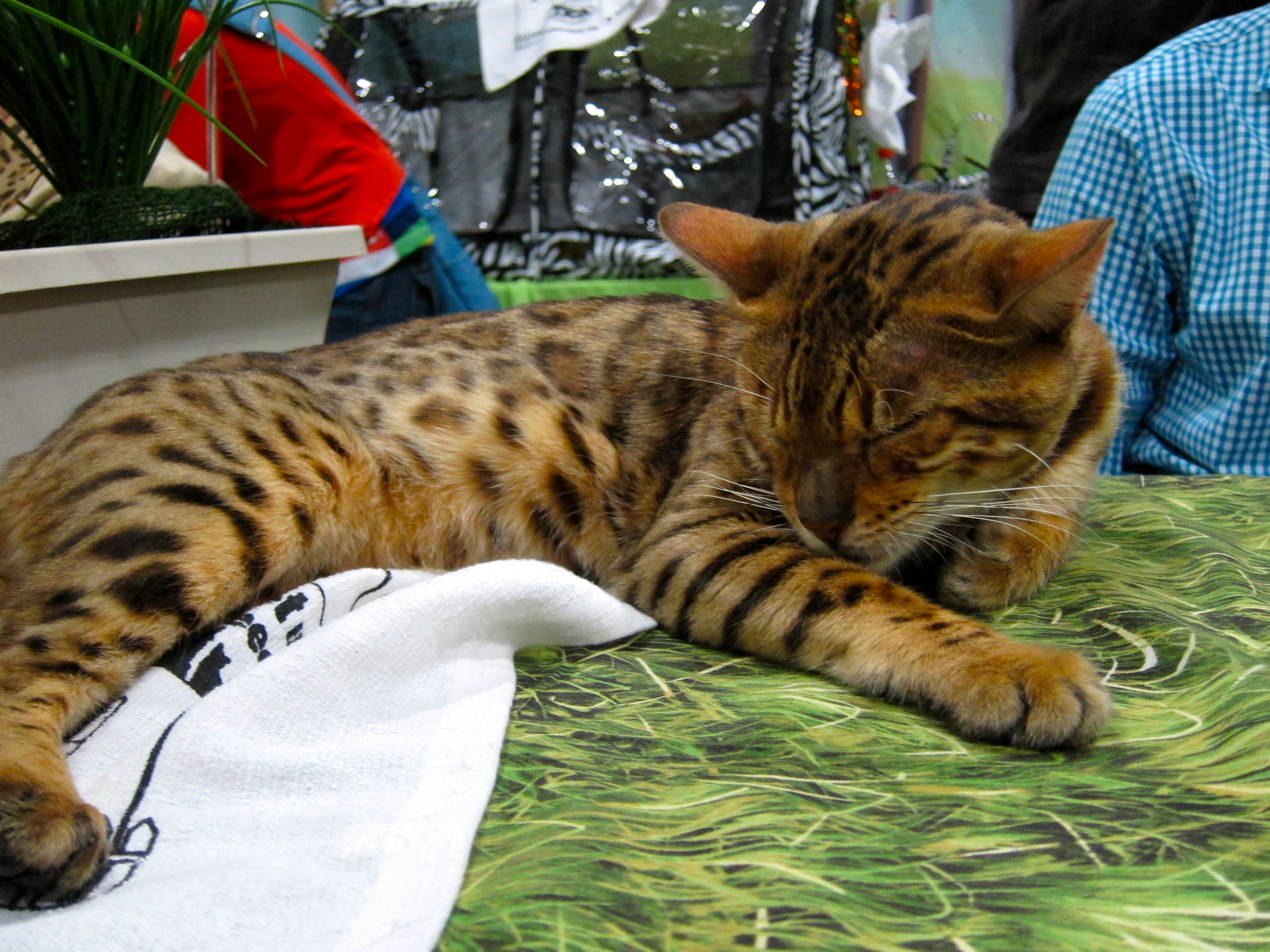
Bengal Cat
Leopard-like spots, playful personality, and a coat that requires minimal grooming, great for allergy sufferers.
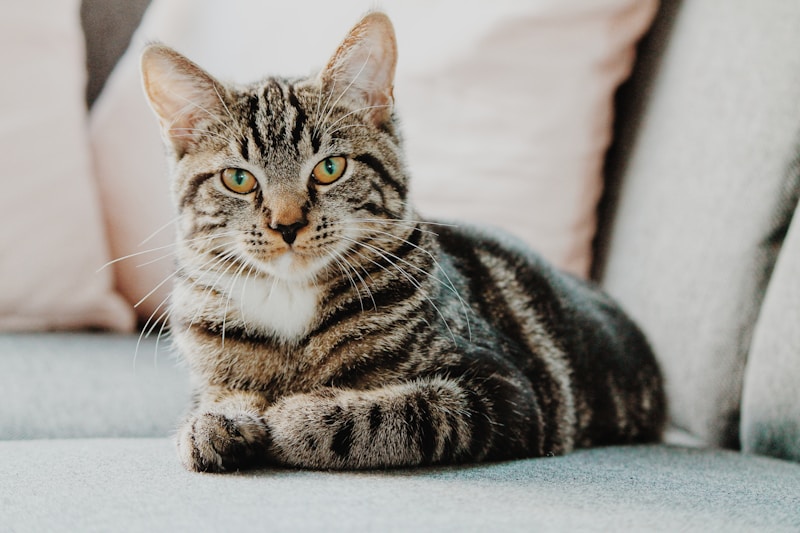
Oriental Shorthair
Athletic, intelligent, and comes in over 300 color combinations. Their short coat sheds less dander.